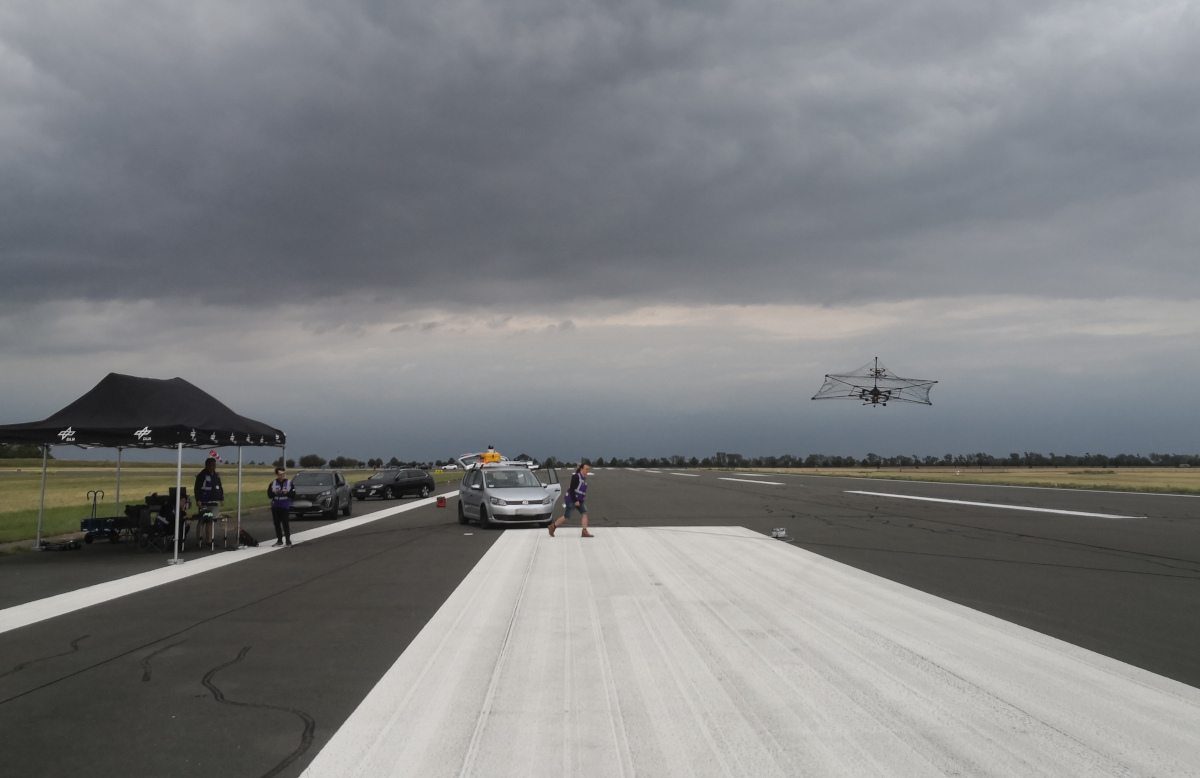
We are delighted to share that NoctuaNet2 has successfully passed Stage 1 of SPRIND – Bundesagentur für Sprunginnovationen’s Funke Anti-Drone Response 2.0 and has been selected to continue to Stage 2, securing up to 100.000 Euro in funding (for our team at TU Wien) for the next phase of development.
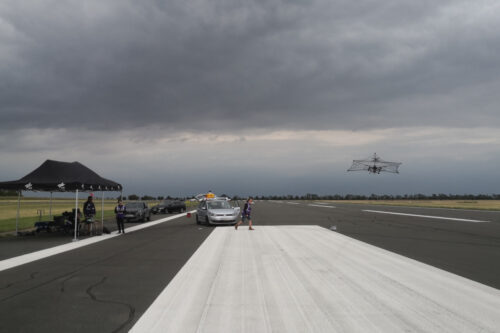
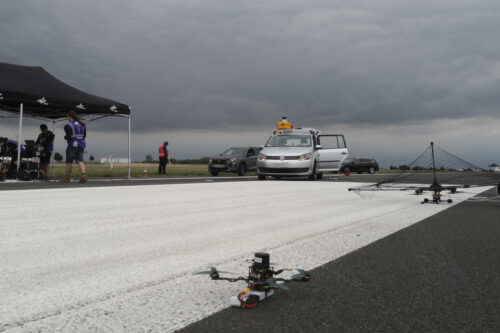
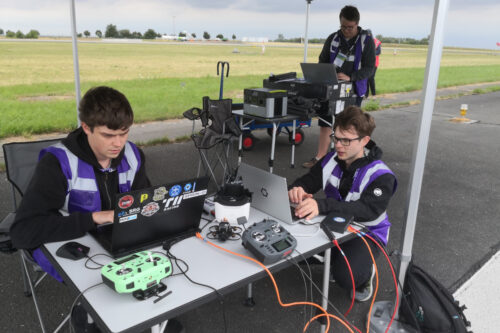
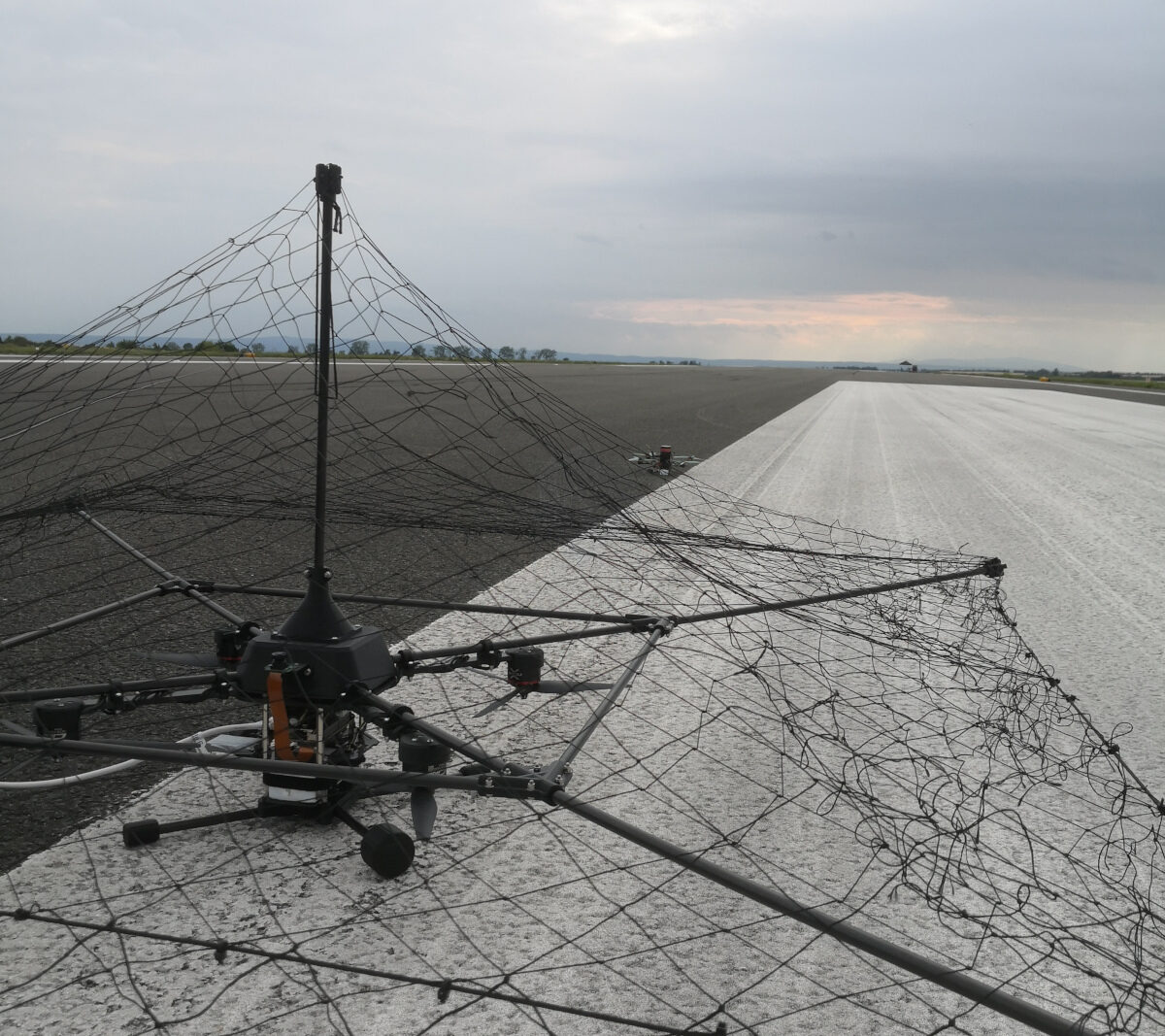
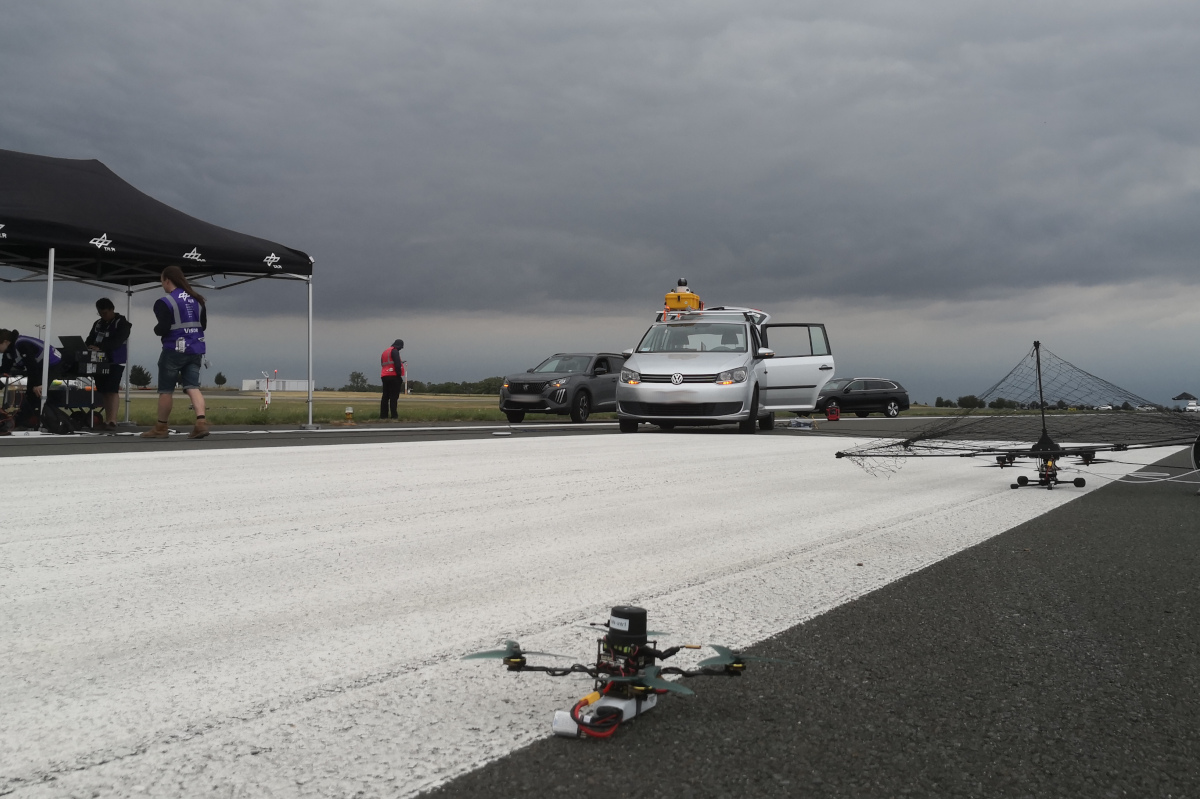
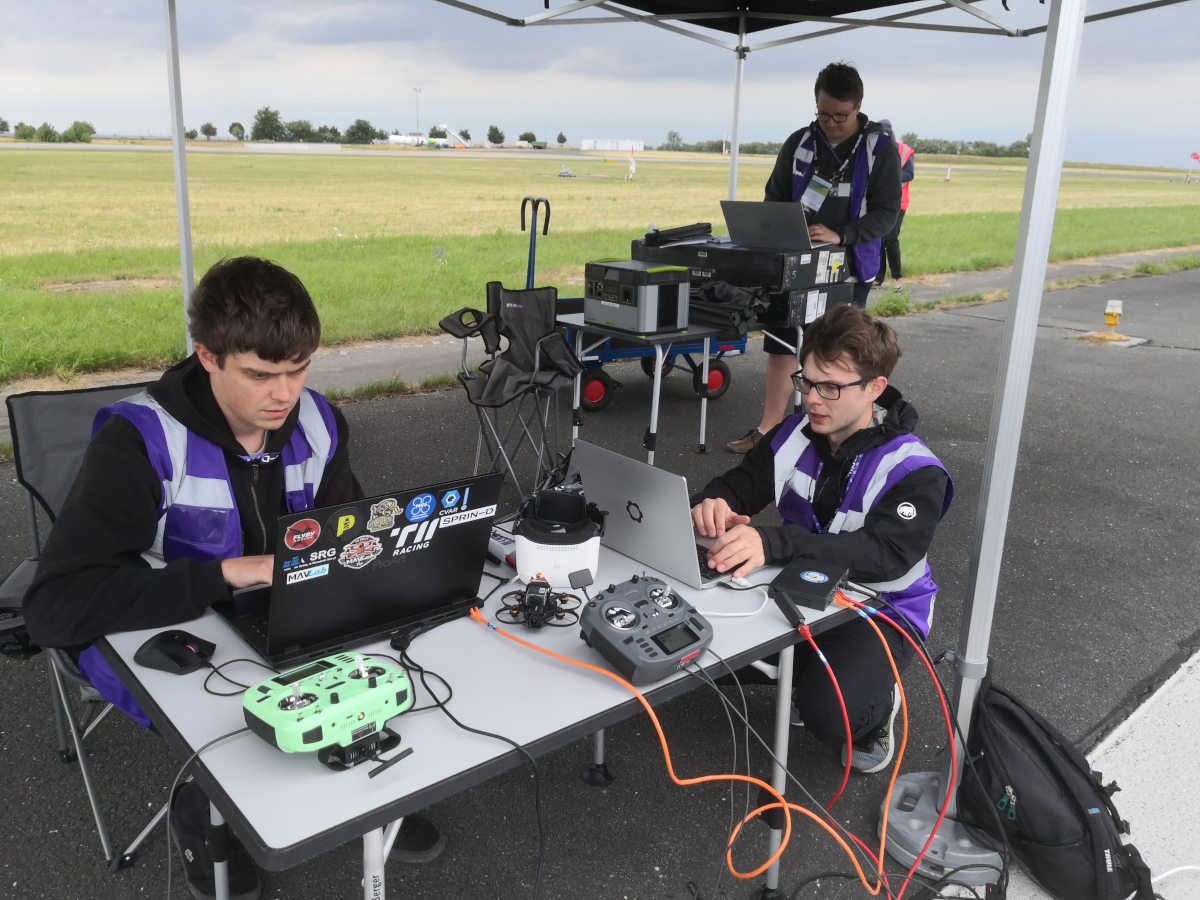
The evaluation wasn’t about a controlled demonstration – it was about whether the system could perform when conditions weren’t perfect. Despite strong winds, heavy gusts, and even rain, the team successfully executed multiple autonomous interception maneuvers and met the demanding evaluation criteria.
NoctuaNet2 is developing a modular, de-escalatory counter-UAS system that combines:
- AI-powered perception and sensor fusion
- RADAR, PTZ, infrared, and event cameras for robust detection and tracking
- High-speed autonomous interceptor drones
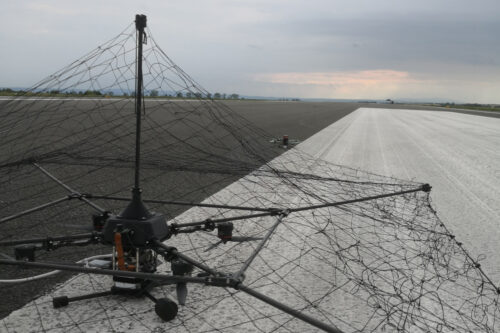
- A specially engineered lightweight net to safely entangle, contain, and recover unauthorized drones
Rather than destroying intruding drones, the system is designed around a non-destructive, responsible approach to counter-UAS operations.
This milestone is also a reminder that resilient autonomous systems are built through countless iterations, rigorous testing, and exceptional teamwork – not just algorithms.